
Coastal Facility Roof Corrosion
Material Substitution in Construction
Background
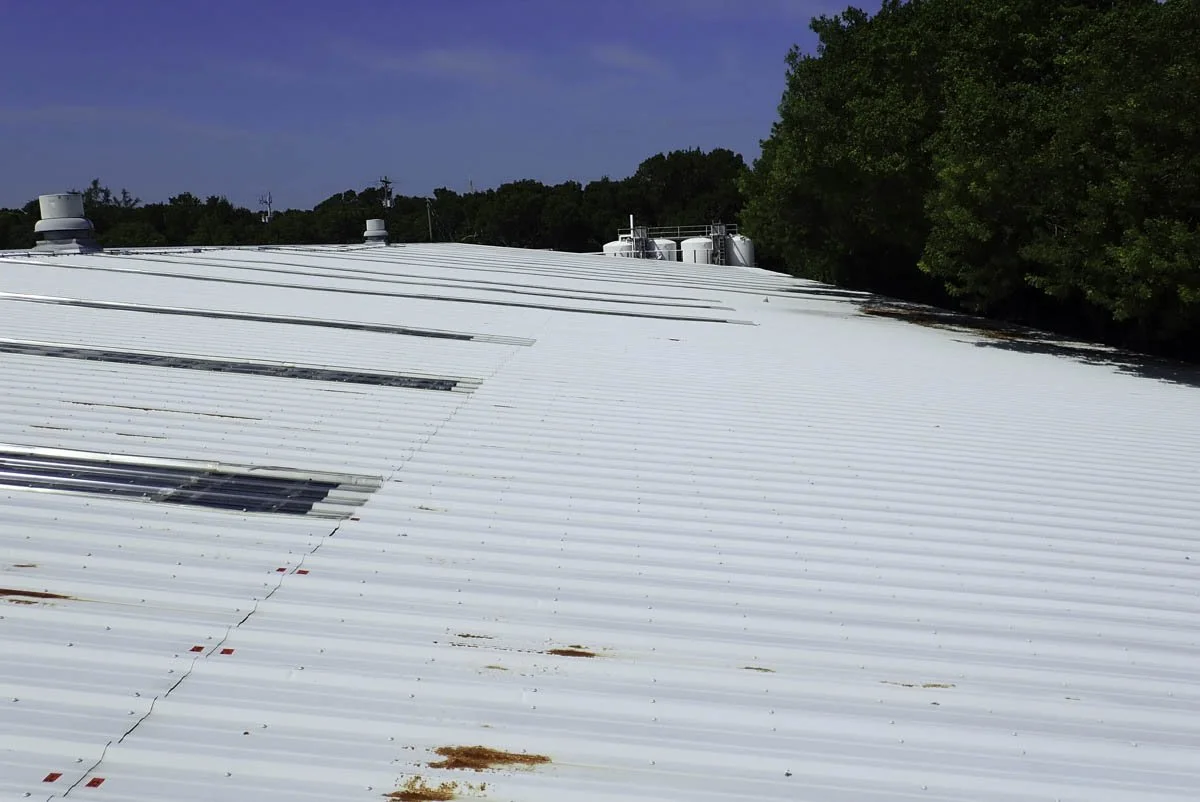
At a shrimp breeding facility in the Florida Keys, roof panels began to rust and fail prematurely soon after installation. Questions arose as to whether some of the installed panels matched the ordered specification and whether incorrect materials had been used. Beacon Forensic was retained to evaluate the extent of any discrepancies and determine whether nonconforming panels contributed to the observed corrosion.
Approach
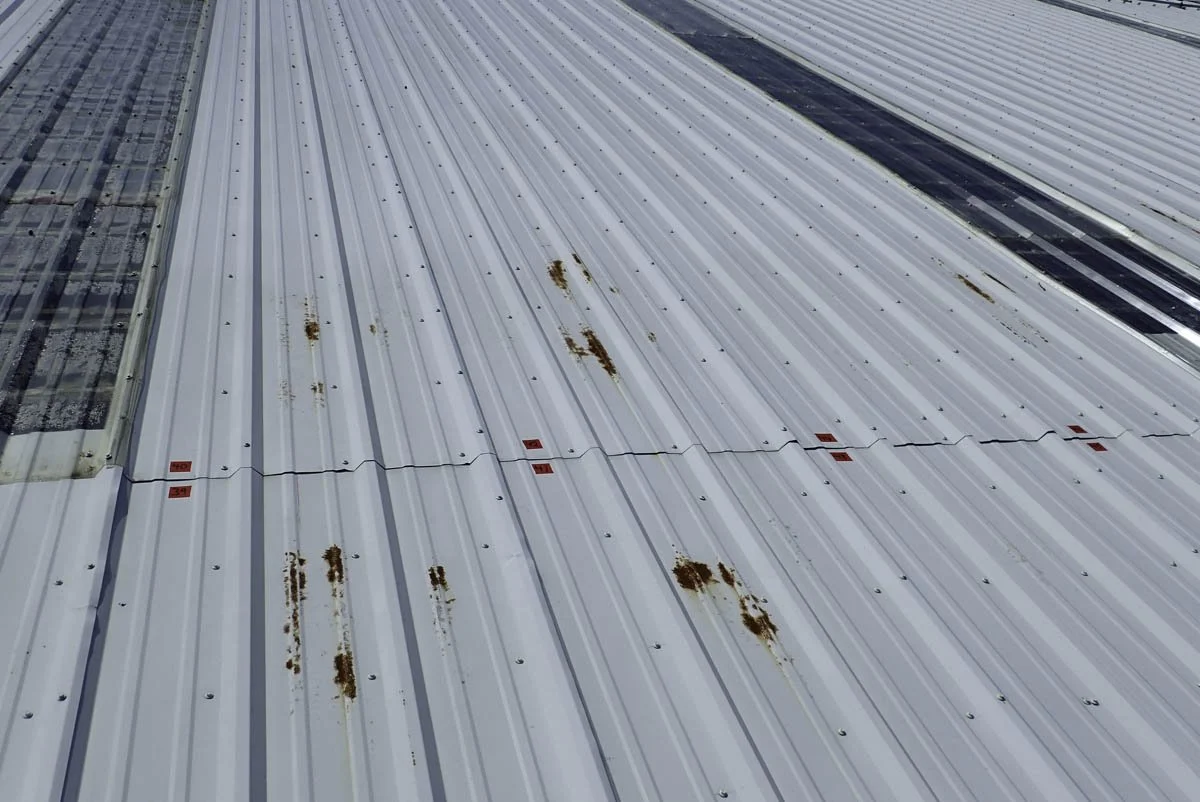
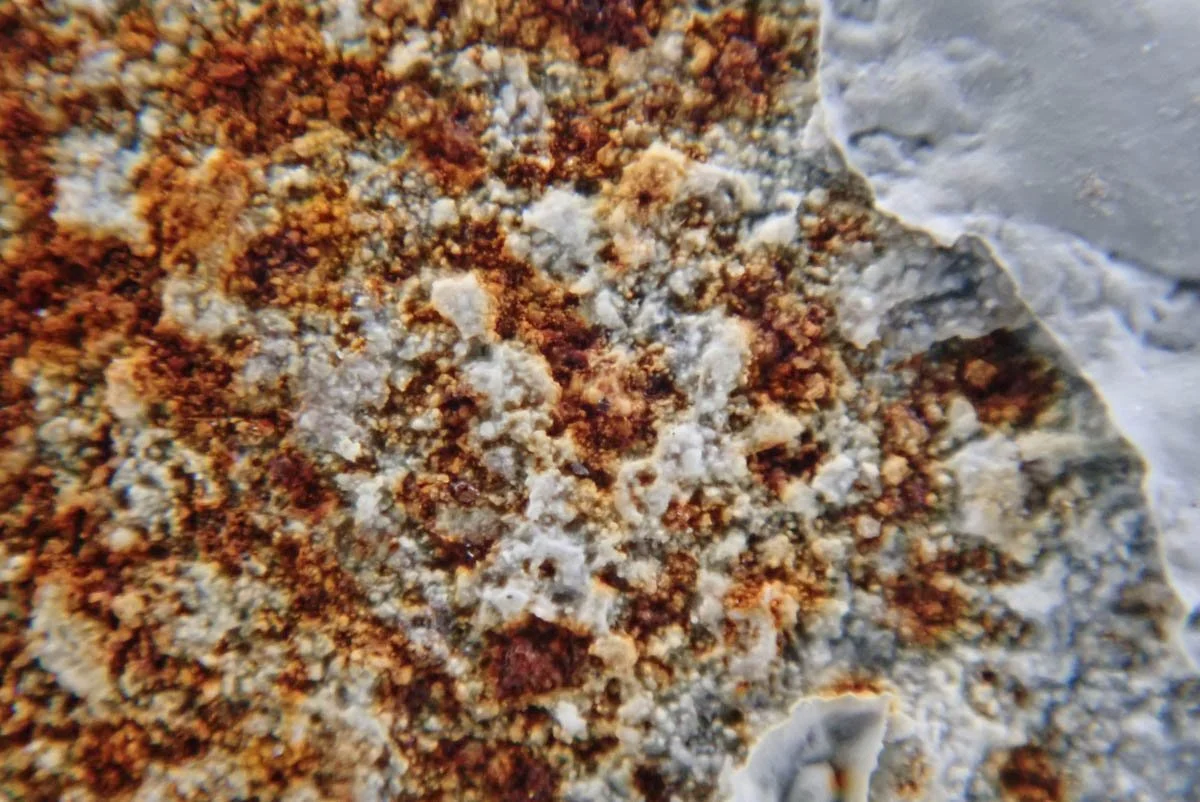
The roof covered more than 51,000 square feet, and noticeable differences were observed among the panels. Some appeared glossy and smooth, while others exhibited a rough, chalky texture with areas of coating separation, white deposits, and localized rust. The key issue was determining the extent of the condition and whether a substantial portion of the roof might require replacement.
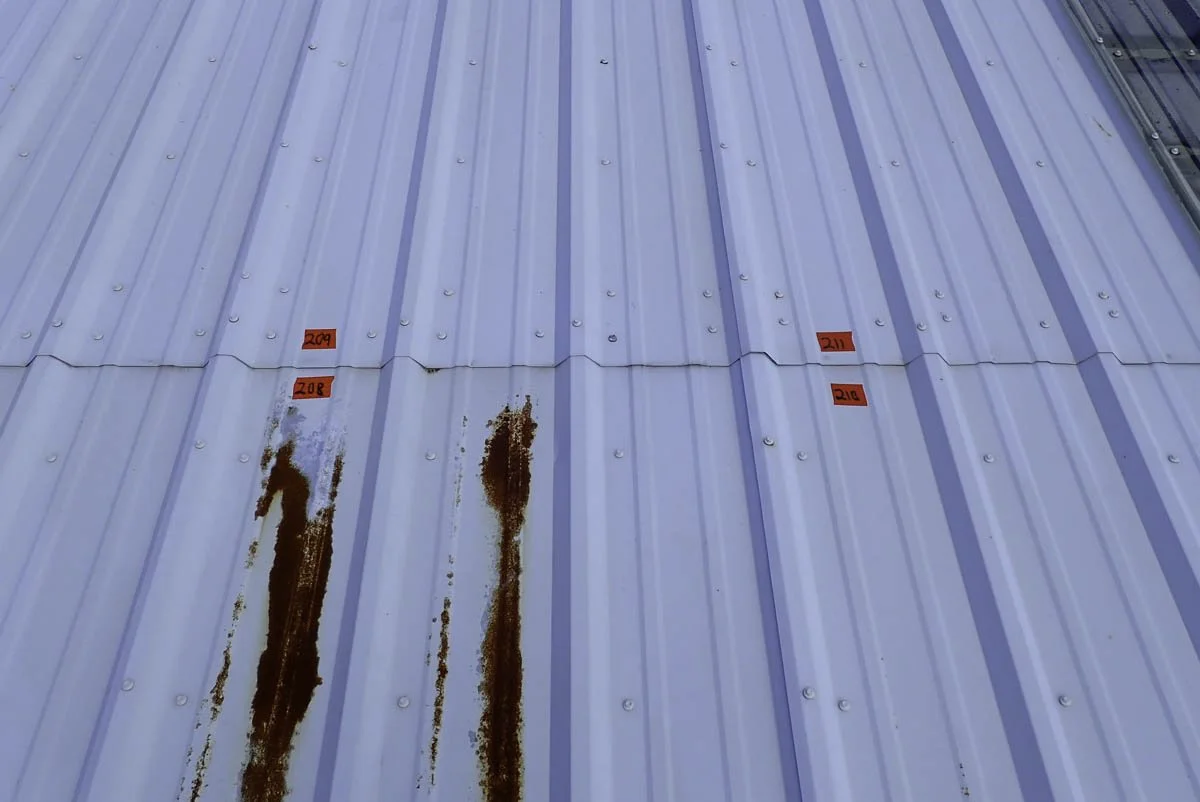
Beacon Forensic conducted a comprehensive investigation that included reviewing purchase orders, invoices, and supplier correspondence, as well as evaluating third party laboratory testing of panel coating systems. The team performed two detailed site inspections to document panel conditions, differentiate between panel types, and quantify those exhibiting signs of nonconforming materials or coating failure. The analysis also included an assessment of fasteners, installation details, and leak locations to identify any additional contributing factors.
Findings & Outcome
The investigation confirmed that two different types of roof panels had been installed. The glossy panels were consistent with galvalume steel with a PVDF coating and remained in good condition, while the rough, chalky panels were consistent with galvanized steel with an acrylic coating and showed coating failure and corrosion.
A detailed inspection identified over 200 nonconforming panels, representing a significant portion of the roof area. While testing did not isolate a single cause of the coating failure, the difference in performance between the two panel types was clear.
Beacon Forensic concluded that a substantial portion of the roof was installed with panels that did not meet the specified material requirements and that these panels were responsible for the observed corrosion.
Key Takeaway: This case shows how material substitution in large construction projects can lead to significant financial and operational consequences. Beacon Forensic identified that nearly half of the roof was built with the wrong product and determined the path forward to correct it.
The Beacon Difference
From factory floors to highways and industrial facilities, Beacon Forensic applies scientific rigor and real-world engineering experience to reveal how and why failures occur.
Our investigations determine the causes of complex mechanical failures and system events, helping clients assign responsibility, improve safety, and prevent recurrence.