
Hydraulic Lift Failure
Manufacturing Defect Hidden Beneath the Paint
Background
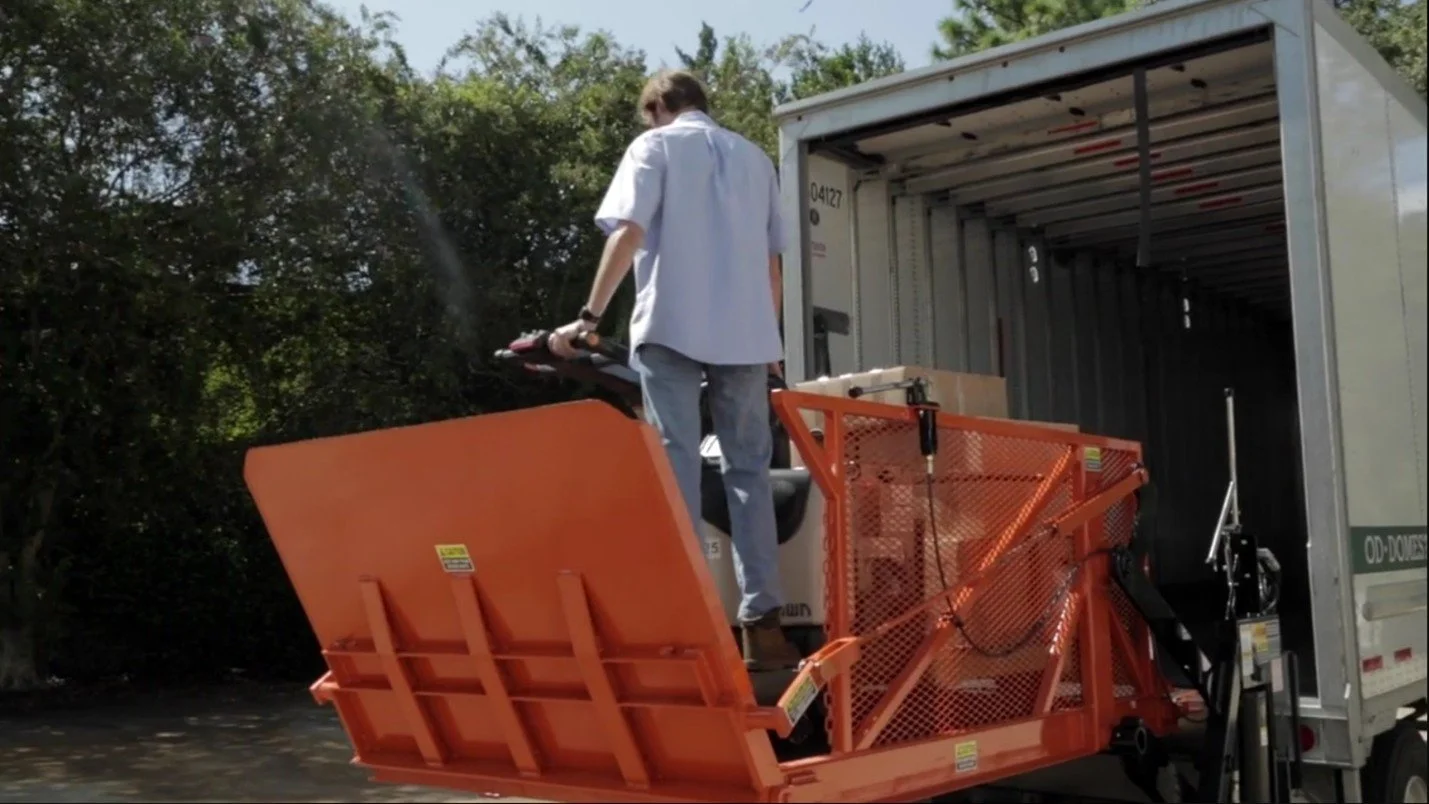
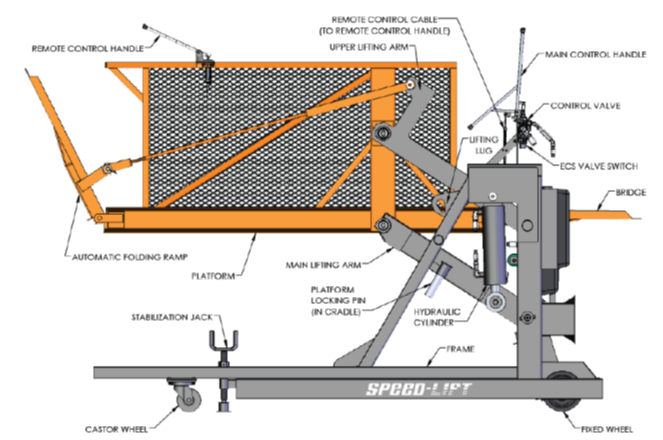
Two employees were operating a hydraulic loading dock lift when it suddenly failed and dropped to the ground, causing serious injuries. The lift had been designed for loads well above what it carried. Both hydraulic cylinders detached — raising the critical question of whether the cause was misuse, poor maintenance, or a manufacturing flaw.
Challenge
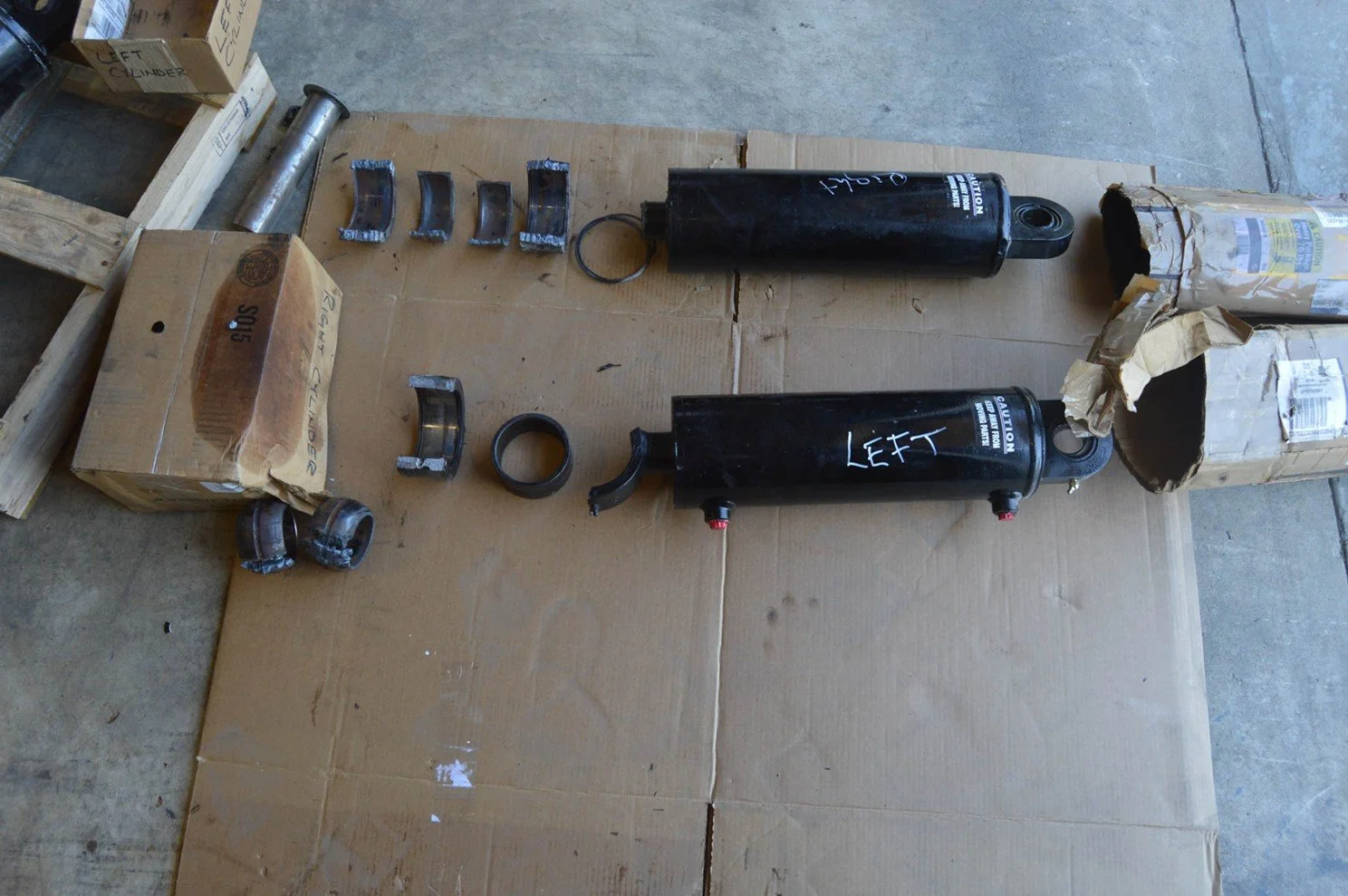
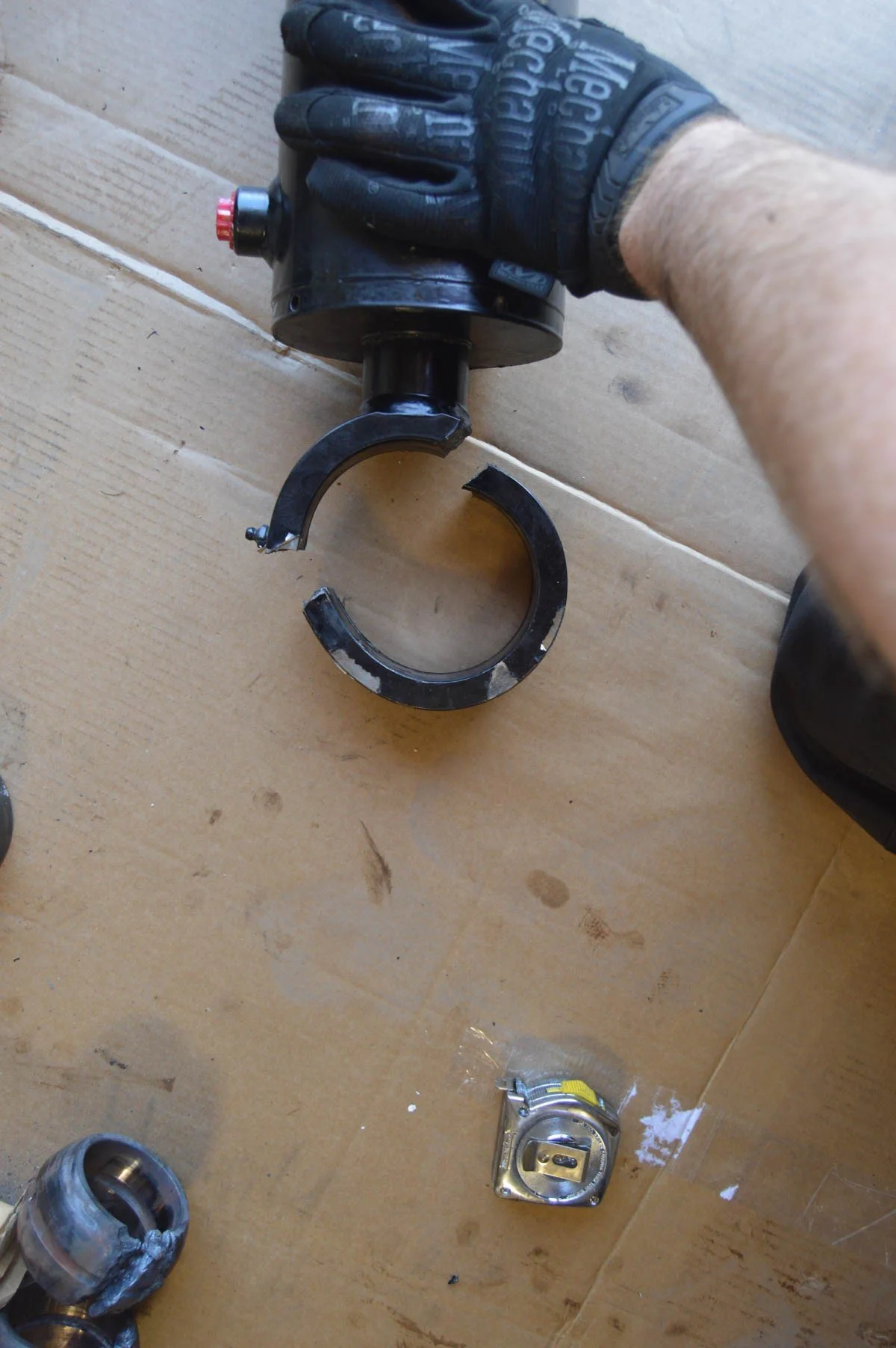
The lift was noisy and squealing prior to the incident, but its rated capacity had not been exceeded. Initial inspections showed that one cylinder had separated at a failed weld, while the other fractured at the bearing housing. Because the cylinders were painted and installed before delivery, any weld defects were concealed from normal maintenance inspections. Determining the true cause of failure required careful analysis of the components, welds, and lubrication condition.
Approach
Beacon Forensic engineers:
Reviewed video footage, maintenance history, and prior expert reports
Inspected four hydraulic cylinders — two intact and two failed
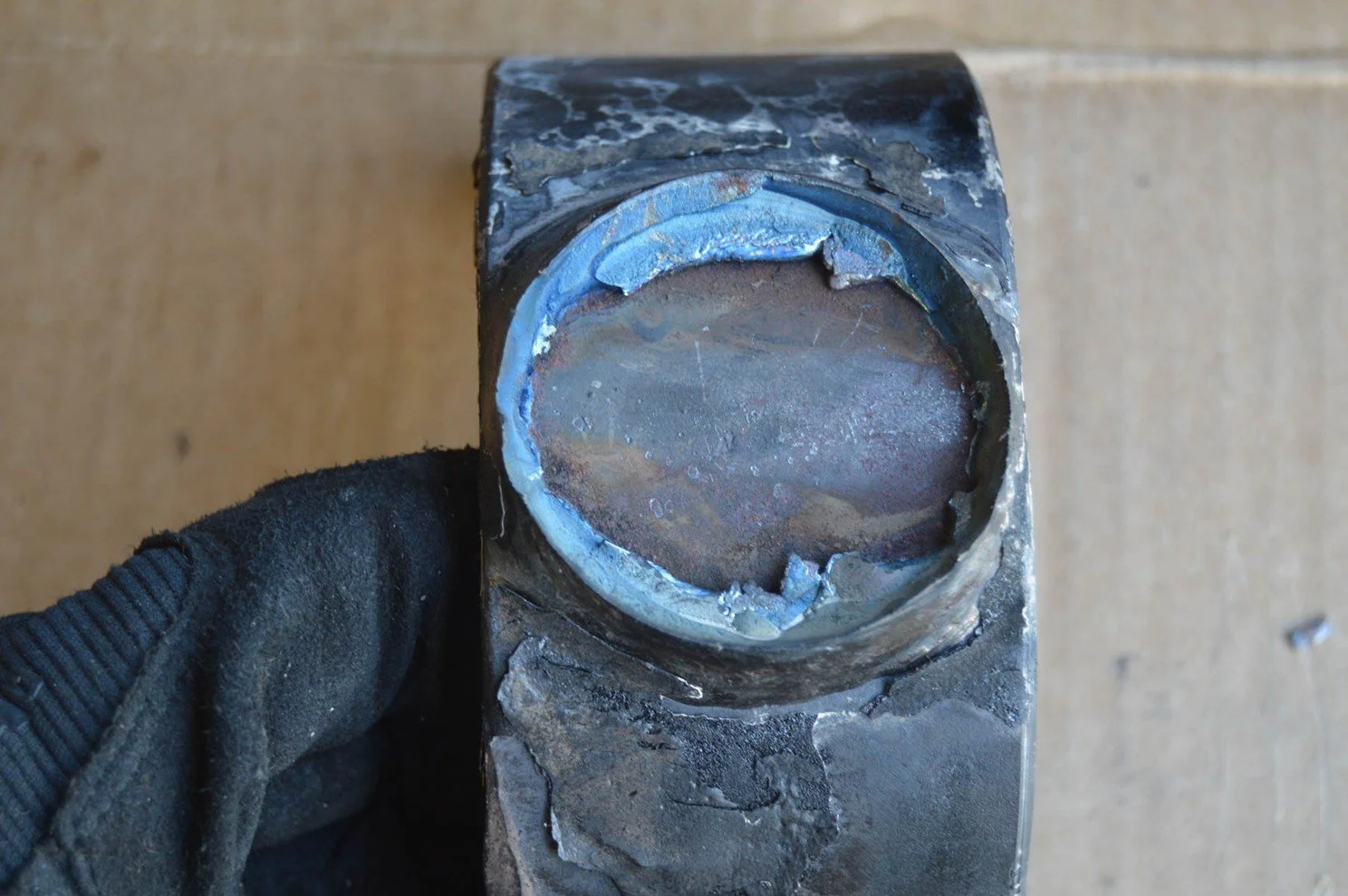
Examined weld geometry and fracture surfaces under magnification
Tested for lubrication and bearing wear
Calculated whether a properly manufactured weld could sustain the load
Findings & Outcome
The lift was not overloaded. A defective weld in one cylinder failed under normal stress, shifting the load to the second cylinder, which then fractured. The absence of grease indicated inadequate factory lubrication, but the weld defect alone triggered the failure.
Beacon Forensic concluded the accident resulted from poor manufacturing quality and hidden weld defects, not operator misuse.
Key Takeaway: Hidden fabrication flaws can bypass visual inspection and cause catastrophic equipment failures even under rated loads.
The Beacon Difference
From factory floors to highways and industrial facilities, Beacon Forensic applies scientific rigor and real-world engineering experience to reveal how and why failures occur.
Our work focuses on determining the root cause of complex mechanical failures, providing clear, objective conclusions that support informed decision making and help prevent recurrence.