
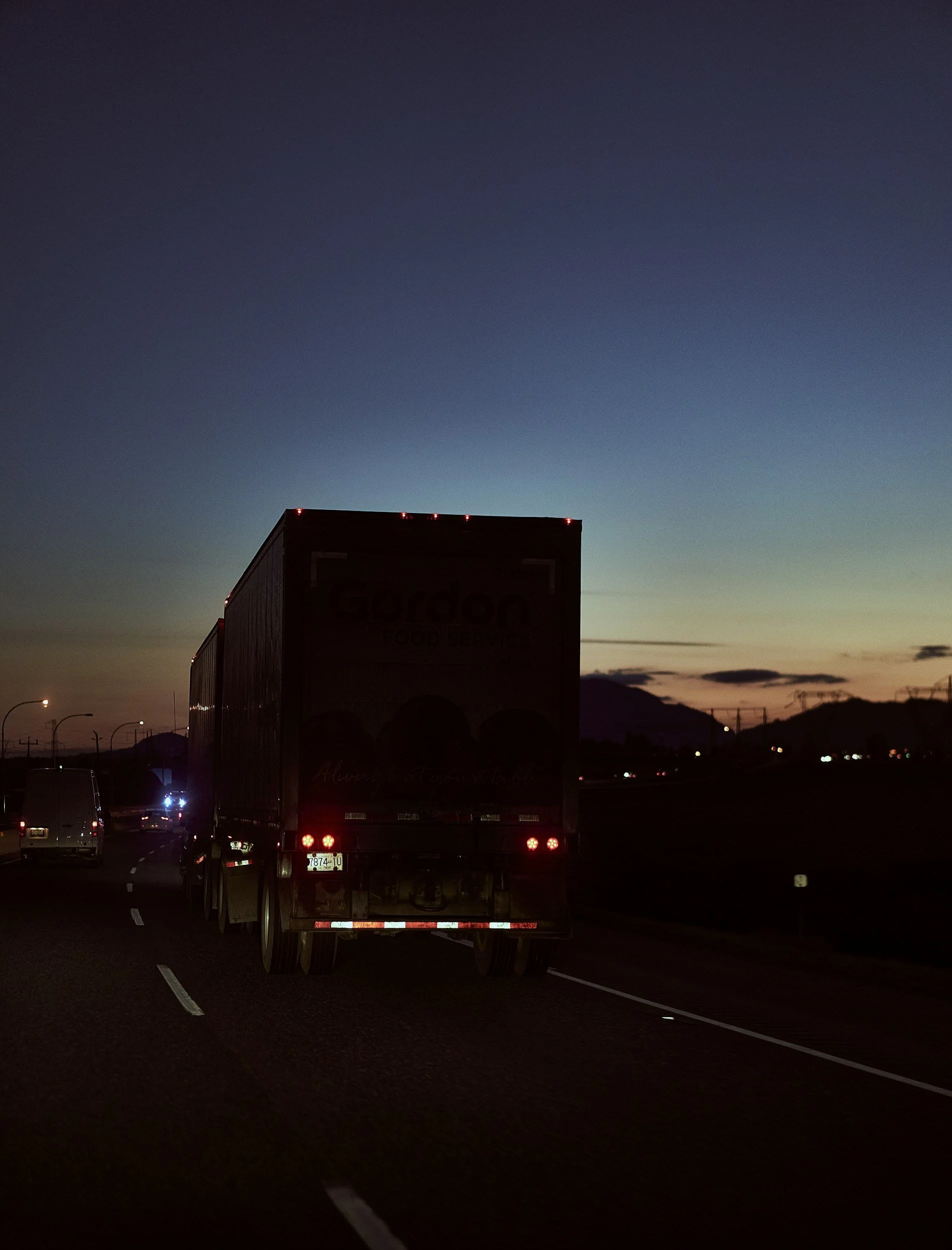
Nighttime Collision with Disabled Vehicle
Limited Visibility, No Time to React

Background
On a dark night along a major interstate, a passenger vehicle became disabled in a travel lane after a prior collision. Moments later, a tractor trailer traveling in the same lane struck the disabled vehicle. The crash raised questions about whether the collision could have been avoided or whether the disabled vehicle presented an unavoidable hazard.
Findings & Outcome
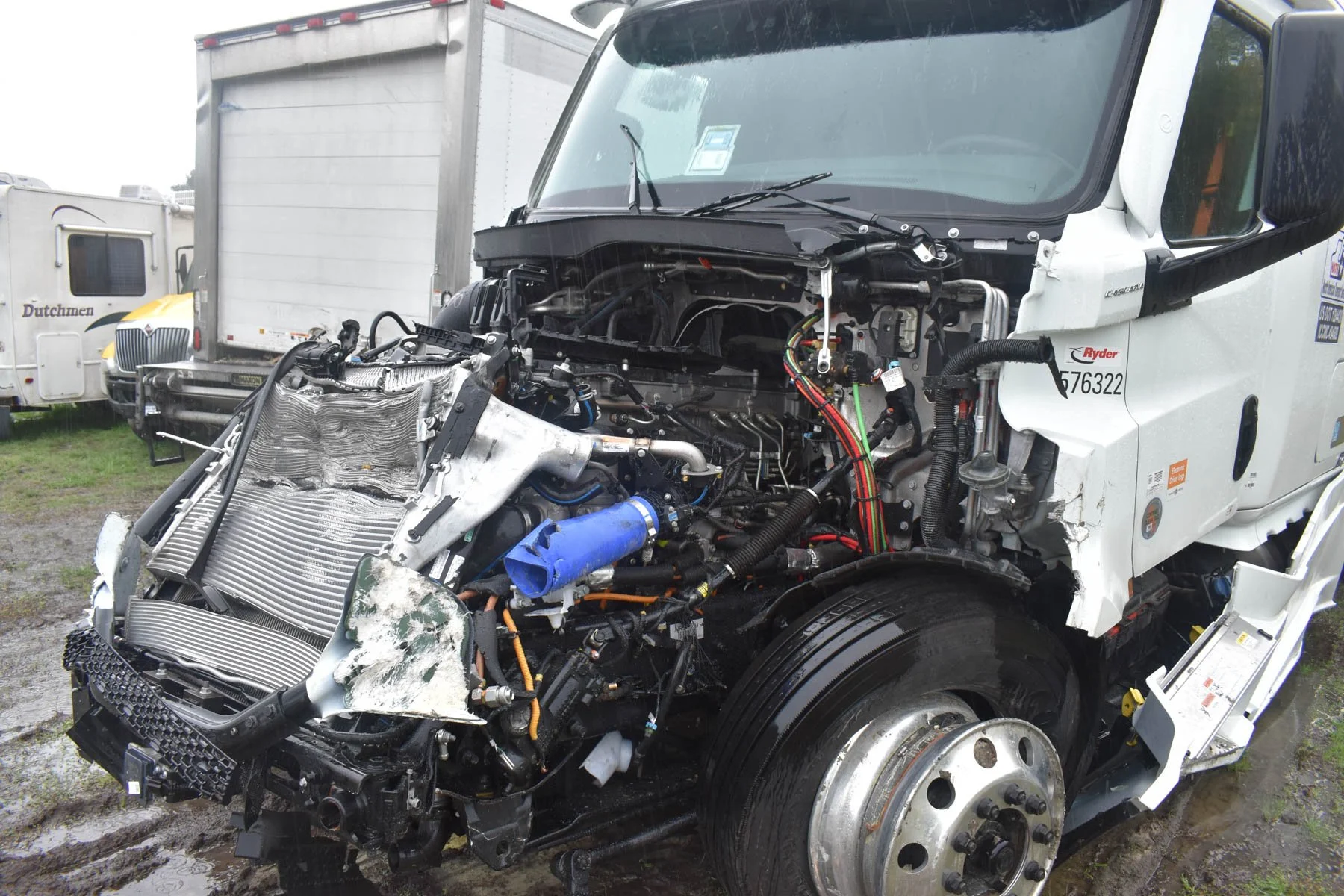
The accident involved multiple vehicles and conflicting accounts of events. One vehicle was reportedly disabled without lights and positioned across the roadway, while a tractor trailer approached at highway speed under low visibility conditions. The key questions were whether the vehicle presented a recognizable hazard and whether there was sufficient time and distance to avoid the collision. Beacon Forensic engineers conducted an investigation that included vehicle inspections, data analysis, roadway documentation, and visibility and physics based evaluations.
The investigation determined that the disabled vehicle lacked illumination and was difficult to recognize against a dark roadway, providing only a limited window for response. Vehicle data showed the approaching driver applied hard braking prior to impact, but the available stopping distance was insufficient. The analysis concluded that the collision was unavoidable given the limited recognition distance and vehicle dynamics
Key Takeaway: Nighttime visibility and recognition distance can determine whether a crash was preventable or inevitable.
The Beacon Difference
From factory floors to highways and industrial facilities, Beacon Forensic applies scientific rigor and real-world engineering experience to reveal how and why failures occur.
Our investigations uncover the truth behind complex mechanical, electrical, and structural events — helping clients assign responsibility, improve safety, and prevent recurrence.